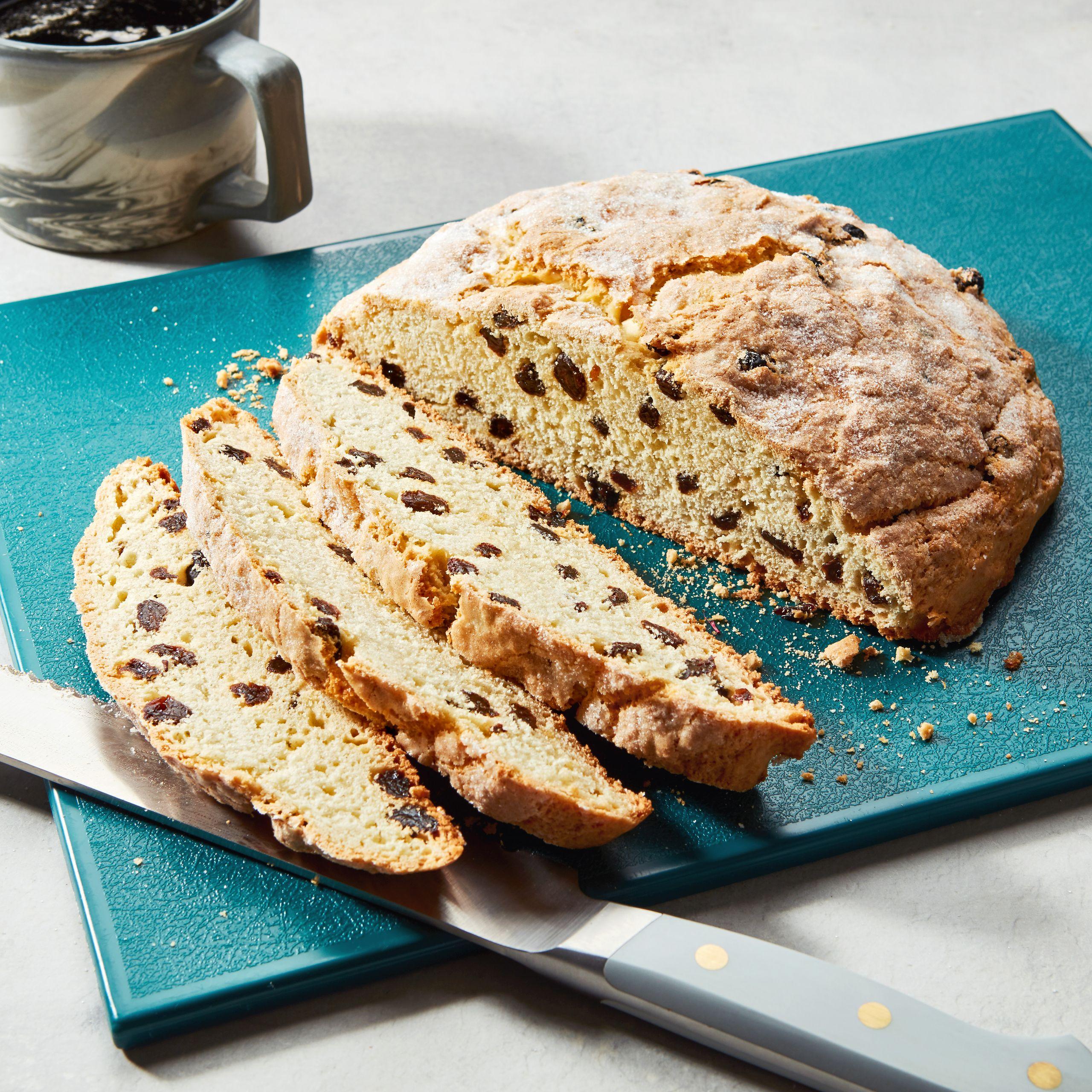
The Quest for the Perfect Moist Raisin Soda Bread
Few things evoke the warmth and comfort of home baking quite like a freshly baked loaf of soda bread. But for many, the dream of a tender, moist crumb often turns into the reality of a dry, crumbly disappointment. This guide is dedicated to unlocking the secrets behind a truly exceptional, easy raisin soda bread recipe that boasts incredible moisture and a delightful texture, perfect every time. We'll delve beyond just the ingredients, exploring the techniques and subtle nuances that transform a good loaf into an unforgettable one. Say goodbye to dense, arid soda bread and hello to a golden, soft creation studded with plump, juicy raisins!
Understanding the Science of a Moist Soda Bread
Achieving a perfectly moist raisin soda bread isn't magic; it's a careful balance of ingredients and technique. The unique nature of soda bread, relying on a chemical reaction for its rise rather than yeast, means certain rules must be followed to prevent dryness.
Key Ingredients and Their Role
- Buttermilk: This is the superstar of soda bread. Its acidity reacts with the baking soda, producing carbon dioxide gas that leavens the bread. More importantly, the lactic acid in buttermilk helps to tenderize the gluten in the flour, contributing to a softer, more moist crumb. Don't substitute with regular milk unless you add a tablespoon of lemon juice or vinegar and let it sit for 5-10 minutes.
- Baking Soda: The leavening agent. Too little, and your bread will be dense; too much, and it can impart a soapy taste. The right balance is crucial for both rise and flavor.
- Flour: Traditionally, Irish soda bread uses all-purpose flour or soft wheat flour. Avoid high-protein bread flour, as its strong gluten development can lead to a tougher, chewier, and ultimately drier loaf, especially when combined with overmixing.
- Butter (Optional but Recommended): While not strictly traditional for a basic soda bread, a little softened butter or even a touch of oil adds richness and can significantly enhance moisture and tenderness, preventing a dry result.
The Importance of Hydration and Gentle Mixing
One of the biggest culprits of dry soda bread is inadequate hydration or overmixing. Soda bread dough should be sticky, not firm. Resist the urge to add more flour than necessary during mixing. The wetter the dough, the more tender and moist the final product will be. Once the wet and dry ingredients meet, the chemical reaction begins, and gluten starts to develop. Overmixing will lead to excessive gluten development, resulting in a tough, dense, and dry loaf. Think of it as a quick, gentle dance rather than an aggressive kneading session.
The Ultimate Raisin Soda Bread Recipe: Achieving Perfection
Here’s our go-to quick no-knead raisin soda bread recipe designed to deliver maximum moisture and flavor. This recipe is simple, straightforward, and produces a consistently delicious loaf.
Ingredients List
- 450g (3 ½ cups) all-purpose flour, plus extra for dusting
- 1 teaspoon baking soda
- ½ teaspoon salt
- 1 tablespoon granulated sugar (optional, for a hint of sweetness)
- 50g (¼ cup) unsalted butter, cold and cubed (optional, but highly recommended for moisture)
- 250g (1 ½ cups) raisins (see tip below for extra plumpness)
- 400ml (1 ¾ cups) buttermilk, chilled
Step-by-Step Instructions
- Preheat & Prepare: Preheat your oven to 200°C (400°F). Lightly flour a baking sheet or line with parchment paper.
- Combine Dry Ingredients: In a large mixing bowl, whisk together the flour, baking soda, salt, and sugar (if using).
- Cut in Butter (Optional): If using butter, add the cold, cubed butter to the dry ingredients. Using your fingertips or a pastry blender, quickly rub the butter into the flour until it resembles coarse crumbs. This step helps create pockets of moisture.
- Add Raisins: Stir in the raisins until evenly distributed.
- Introduce Buttermilk: Make a well in the center of the dry ingredients. Pour in the chilled buttermilk.
- Mix Gently: Using a wooden spoon or your hands, mix the ingredients together just until they are combined. Do not overmix! The dough will be very soft and shaggy. It should still be quite sticky – this is key for moisture.
- Shape the Loaf: Turn the sticky dough out onto a lightly floured surface. With floured hands, gently bring the dough together, shaping it into a round loaf, about 2 inches high. Try to handle it as little as possible.
- Score & Bake: Transfer the loaf to your prepared baking sheet. Using a sharp knife, cut a deep cross into the top of the loaf, extending almost to the edges. This helps the bread cook evenly and is traditional.
- Bake: Bake for 35-45 minutes, or until the crust is golden brown and the bottom sounds hollow when tapped. If the top browns too quickly, you can loosely tent it with foil.
- Cool: Transfer the baked soda bread to a wire rack to cool completely. Cooling on a rack prevents the bottom from becoming soggy.
Mastering the Art: Tips for a Consistently Moist Loaf
Beyond the basic raisin soda bread recipe, these expert tips will ensure your bread remains delightfully moist every single time.
Soaking Raisins: A Game Changer
Dry raisins can absorb moisture from your dough during baking, leading to a drier loaf overall. To prevent this, always soak your raisins before adding them to the dough.
- Place raisins in a bowl and cover with hot water, hot tea, or even a splash of orange juice or rum for extra flavor.
- Let them sit for 10-15 minutes until plump.
- Drain thoroughly and pat dry with a paper towel before adding to your dough. This prevents excess liquid from throwing off your dough's hydration.
The Gentle Touch: Mixing and Handling
We cannot stress this enough: do not overmix or over-knead soda bread dough. The leavening reaction starts immediately, and the delicate gluten structure forms quickly.
- Mix just until the dry ingredients are barely moistened by the wet. A few streaks of flour are perfectly fine.
- When shaping, use floured hands and gently pat the dough into a round. Avoid vigorous kneading, which will develop too much gluten and result in a tough, dry texture.
- Remember: A sticky dough is a happy dough when it comes to soda bread moisture.
Baking for Moisture: Temperature and Time
The correct baking environment is vital for a moist crumb.
- Initial High Heat: Starting with a slightly higher oven temperature (like 200°C/400°F) helps create a good crust quickly, trapping moisture inside.
- Don't Overbake: This is the simplest way to dry out any bread. Rely on the hollow sound test and a golden-brown crust rather than just timing. If you have an instant-read thermometer, the internal temperature should be around 93-96°C (200-205°F).
- Avoid Opening the Oven Door: Especially during the first 20 minutes, keep the oven door closed to maintain a consistent temperature and allow the bread to rise properly.
Cooling and Storing for Optimal Freshness
Proper cooling and storage are just as important as baking for maintaining moisture.
- Cool on a Wire Rack: As soon as the bread comes out of the oven, transfer it to a wire rack. This allows air to circulate around the entire loaf, preventing condensation that can make the bottom soggy and encourages even cooling.
- Wrap When Cool: Once completely cool, wrap the bread tightly in plastic wrap or foil, or store it in an airtight container. This locks in moisture.
- Enjoy Fresh: Soda bread is best enjoyed within 1-2 days of baking. After that, it tends to dry out more quickly than yeast breads. To refresh, you can lightly toast slices or warm the whole loaf in a low oven.
Elevate Your Raisin Soda Bread Experience
Once you've mastered the basic moist raisin soda bread recipe, don't hesitate to experiment with variations to truly make it your own.
Flavor Enhancements
- Citrus Zest: Add 1-2 teaspoons of orange or lemon zest to the dry ingredients for a bright, aromatic lift that pairs beautifully with raisins.
- Spices: A pinch of cinnamon, nutmeg, or mixed spice can add wonderful depth of flavor.
- Brown Sugar: Substituting a portion of the granulated sugar with light brown sugar can add a subtle molasses note and extra moisture.
Serving Suggestions
Moist raisin soda bread is incredibly versatile. It's fantastic simply sliced with a generous spread of butter, but also pairs wonderfully with:
- Your favorite jam or marmalade.
- Cream cheese or a soft Irish cheddar.
- Alongside a cup of tea or coffee for breakfast or an afternoon snack.
- Even served with savory dishes, its subtle sweetness can be a delightful contrast.
Conclusion
Baking a consistently moist raisin soda bread is an achievable goal for any home baker. By understanding the critical roles of buttermilk and baking soda, embracing a gentle mixing technique, properly hydrating your raisins, and avoiding the pitfalls of overbaking, you'll be well on your way to baking perfection. This detailed guide and easy raisin soda bread recipe provide all the knowledge and tips you need to create a tender, flavorful loaf that will impress friends and family alike. So, gather your ingredients, follow these secrets, and get ready to enjoy the ultimate homemade raisin soda bread experience!
